Blog
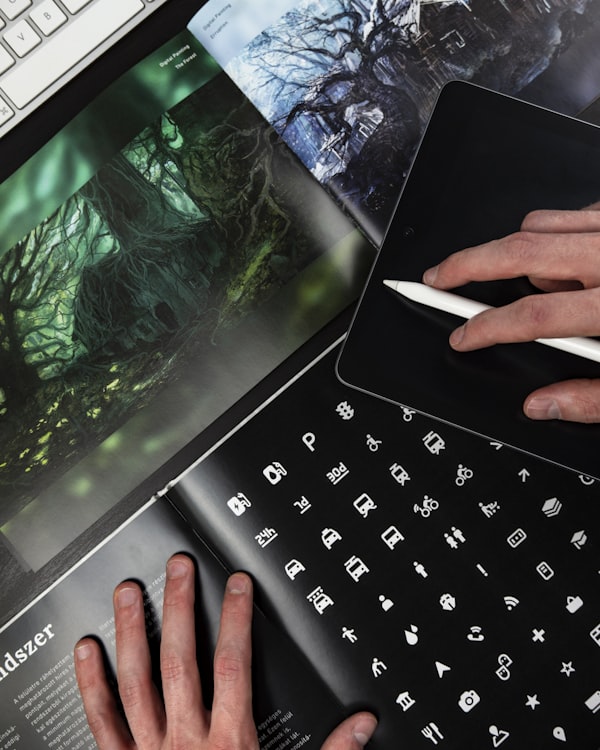
Fundamental Design Principles Every Designer Should Know
Good design is not just about making things look pretty — it is about solving problems elegantly. We dive deep into contrast, alignment, repetition, and proximity. Each principle builds on the other, creating a visual hierarchy that guides the reader's eye naturally through the content. Whether you are designing a poster, a website, or a mobile app, these fundamentals are your foundation. Mastering them takes time and practice, but the results are always worth the effort.

Building Intuitive User Interfaces
User interfaces have evolved dramatically. What users expect today is vastly different from five years ago. Modern users demand seamless interactions. They want apps that anticipate their needs and reduce friction at every step. Micro-interactions, motion design, and accessibility are no longer optional extras — they are baseline expectations. This post walks through practical techniques you can apply immediately to make your interfaces feel polished.

Clean Code Habits That Will Save You Hours Every Week
Writing code that works is the minimum bar. Writing code others can read and maintain is the real skill. In this post we cover habits that professional developers use to keep codebases healthy: meaningful variable names, small focused functions, consistent formatting, and ruthless refactoring. We also discuss why comments should explain the "why" not the "what", and how automated linting tools can remove entire categories of debate from your team.

10 Productivity Tips for Creative Professionals
Creativity thrives within constraints, and productivity is the engine that turns ideas into finished work. This post shares ten battle-tested strategies that help designers and developers stay focused and ship work consistently. From time-blocking and the Pomodoro technique, to curating your work environment and building sustainable routines — each tip is practical and immediately actionable. Start with two or three that resonate most and build from there.
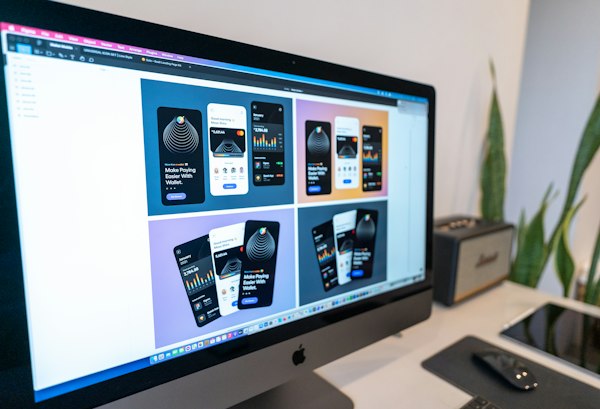
Color Theory for Digital Designers: A Practical Guide
Color is one of the most powerful tools in a designer's toolkit. Used well, it communicates mood without a single word. This guide breaks down the color wheel, complementary and analogous palettes, and how to choose colors that work together harmoniously. We also cover accessibility considerations — ensuring sufficient contrast for users with visual impairments — and how to use color consistently across a design system.

Typography That Works: Pairing Fonts Like a Pro
Typography is 95% of web design. Choosing the right typefaces can elevate an ordinary layout into something memorable. We explore the rules of font pairing: contrast vs harmony, serif vs sans-serif combinations, and how to establish a clear typographic scale. Real-world examples illustrate each concept so you can see immediately how the theory applies to actual projects. Good typography is invisible — readers simply feel that the content is easy to read.
No posts found in this category.